Nauti ja Voita Glorion Casinolla Suomessa
Uncategorized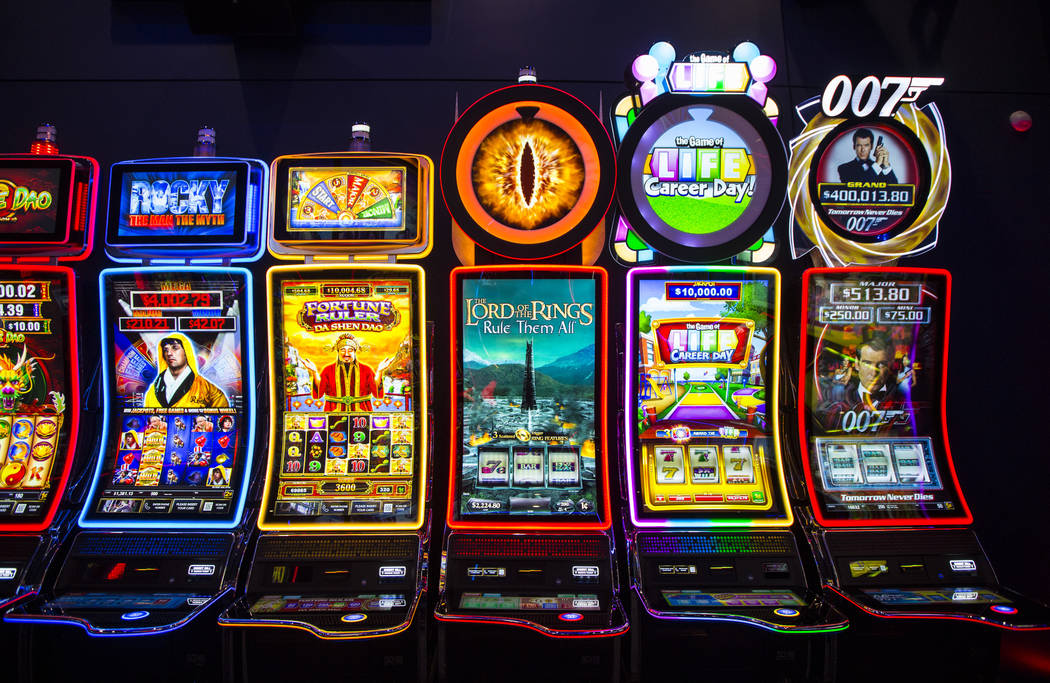
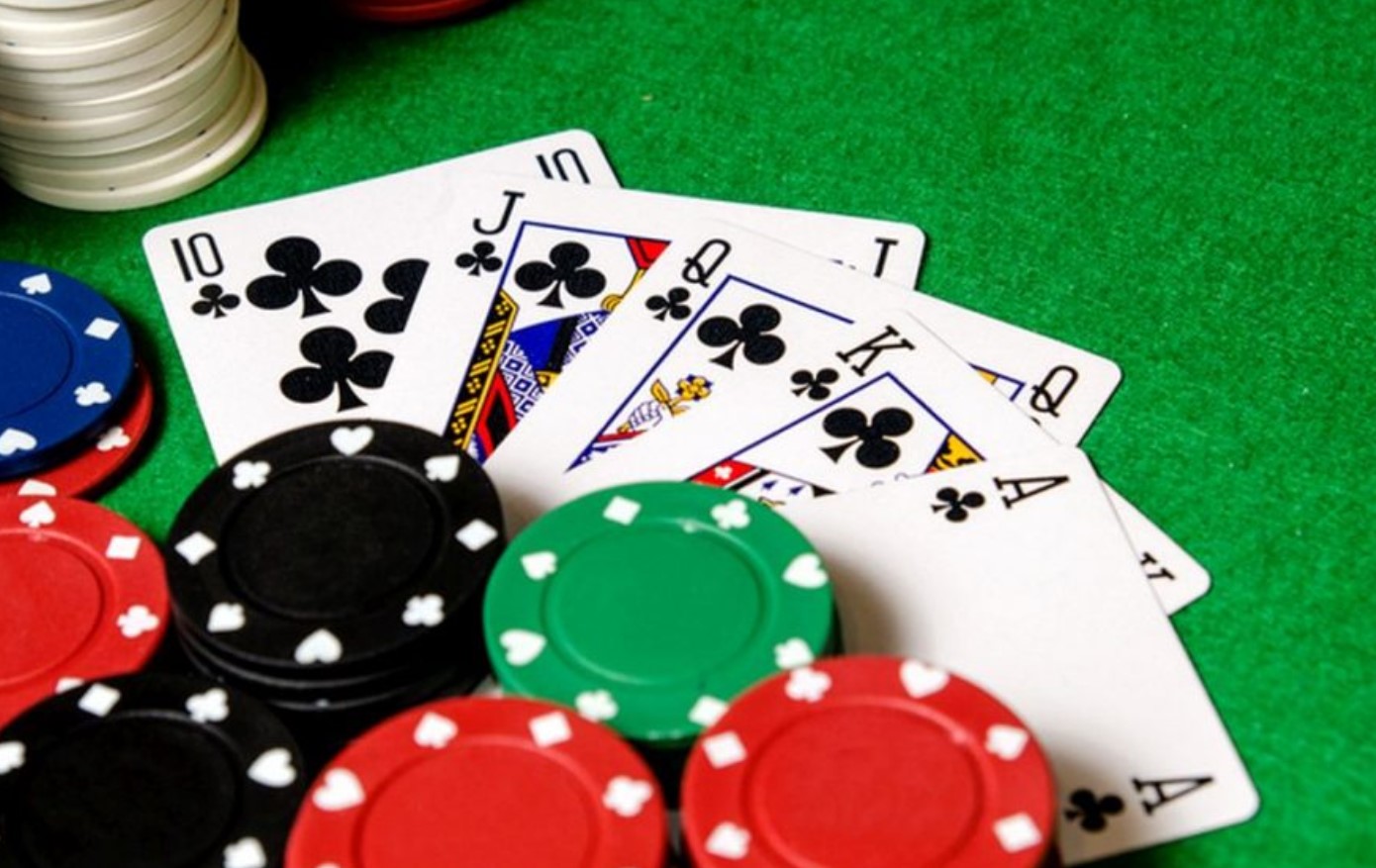
Meillä Glorion Casinolla luotamme, että kaikki suomalainen pelaaja on oikeutettu täysin uniikin ja varman pelikokemuksen, joka paitsi viihdytä vaan myös korvaa glorionscasino.com. Tässä artikkelissa syvennymme siihen, miten me luomme tämän kokemuksen juuri Suomen markkinoille ja suomalaisille pelaajille. Näytämme laajan pelivalikoimamme, joka kattaa kaikki tunnetuimmista kolikkopeleistä uusimpiin live-kasinokokemuksiin, sekä kerromme tärkeät käytännön asiat, kuten talletus- ja nostomenetelmät ja niiden nopeudet. Keskitämme myös vahvaan turvallisuuskulttuuriimme ja siihen, miten me takaamme reilun pelin ja vastuullisen pelaamisen jokaisessa vuorovaikutuksessa. Tavoitteemme on olla se luotettava kumppani, johon voit turvautua sekä pienillä hetken iloilla että suuremmilla seikkailuilla. Täsmällisemmin sanottuna, rakennamme palveluamme ymmärtäen suomalaisten arvoja: uskottavuutta, avoimuutta ja tasalaatuista viihdettä joka sopii paitsi arkeen, myös erikoistilanteisiin.
Tervetuloa Glorion Casinoon – Suomen Ystävällinen Peliparatiisi
Glorion Casino on suunniteltu suomalaisille pelaajille jo alusta asti, ja se näkyy jokaisessa yksityiskohdassa palvelustamme. Ymmärrämme paikalliset mieltymykset ja tarpeet, mikä näkyy sekä pelivalikoimassamme että asiakaspalvelun suuntauksessa. Tarjoamme täysin suomenkielisen käyttöliittymän ja asiakastuen, mikä tekee pelaamisesta sujuvaa ja vaivatonta. Lisäksi olemme panostaneet siihen, että kaikki käytössämme olevat maksutavat ovat tuttuja suomalaisille käyttäjille, kuten pankkisiirrot ja luottokortit. Ydinajatuksemme on luoda yhteisö, jossa jokainen jäsen tuntuu tervetulleeksi ja arvostetuksi. Meillä voit olla varma, että pelaat turvallisessa ympäristössä, joka on sekä viihdyttävä että eettisesti vastuullinen. Tämä on paikka, jossa hauskanpito ja turvallisuus kulkevat käsi kädessä. Esimerkiksi juhlapäivinä, kuten itsenäisyyspäivänä tai jouluna, tuomme yhteisöllemme erityistä tunnelmaa teemakampanjoilla ja yllätyksillä, jotka kunnioittavat suomalaista kulttuuria. Suunnittelimme myös prosessimme siten, että ne kunnioittavat suomalaista yksityisyyden suojaa ja dataturvallisuutta täysin EU-standardien mukaisesti.
Uskomaton Pelivalikoima Jokaiseen Maulle
Glorion Casinon keskus löytyy suuresta ja kattavasta pelikirjastostamme. Meillä on reilusti yli tuhansia ensiluokkaisia pelejä maailman johtavilta pelistudioilta. Valikoimamme on huolellisesti koottu siten, että se toimii niin perinteisiä kolikkopelin fanittajia myös moderneja live-kasinon rakastajia. Löydät meiltä kaikenlaiset ajattomat klassikot, kuten vaikkapa erilaiset ruletti- ja blackjack-variantit, samoin valtavan valikoiman video-pokereita. Mutta se ei lopu tähän: satsaamme voimakkaasti myöskin suomalaisten suosimiin peleihin, kuten esimerkiksi erilaisiin hedelmäpeleihin ja kansainvälisiin hitteihin, missä on perinteiset bonusominaisuudet ja jännittävät jackpotit. Joka ainoa pelimme on tarkastettu reilun pelin sääntöjen mukaisesti ja ne toimivat moitteettomasti niin tietokoneella kuin mobiililaitteilla. Yksityiskohtaisempi katsaus paljastaa, että valikoimaamme täydennetään viikoittain lukuisilla uusilla titteleillä, siten että tutut klassikot saavat koko ajan seuralaisekseen tuoreita innovaatioita. Tämä systemaattinen päivitys turvaa, että palatessasi takaisin, kohtaat aina jotain uutta ja jännittävää kokeiltavaksi, säilyttäen kokemuksen raikkaana ja odotusten yläpuolella.
Rahapeliautomaattien Maailma
Kolikkopelit ovat online-kasinoiden perusta, ja Glorion Casino esittelee tällä saralla kokonaisvaltaisen kokonaisuuden. Meidän kokoelmastamme löytyvät kaikki suosituimmat hedelmäpelit, antiikkiteemaiset klassikot sekä modernit 3D-grafiikalla ja monimutkaisilla tarinoilla varustetut videopelit. Yhteistyökumppaneinamme toimivat muun muassa NetEnt, Play’n GO, Pragmatic Play ja Evolution Gaming, mikä takaa laadun ja innovaation. Löydät pelejä eri hintatasojen mukaisesti, joten voit valita sekä pienillä panoksilla pelaamisen että suurempien riskien ottamisen. Monissa peleissämme on myös progressiivisia jackpotteja, jotka kykenevät muuttaa yhden kierroksen elämäsi merkittävimmäksi seikkailuksi. Tavoittelemme aina pitämään valikoimamme ajantasaisena ja ajankohtaisena lisäämällä uusia hittejä säännöllisesti. Konkreettisina esimerkkeinä suosituista tyyleistä mainittakoon klassiset kolmen rullan hedelmäpelit kuten “Fruit Shop”, tarinavetoiset seikkailut kuten “Gonzo’s Quest” sekä nykyaikaiset Megaways™-pelit, kuten “Bonanza”, jotka tarjoavat tuhansia voittolinjoja. Jokainen pelityyppi pitää sisällään omat etunsa: klassikot ovat yksinkertaisia ja nopeita, kun taas tarinapelit tuovat pitkäkestoisempaa palkitsemista ja bonuspyörityksiä.
Tosi-Kasinon Jännitys
Jos kaipaat aitoa kasinotunnelmaa suoraan kotisohvaltasi, Glorion Casinon live-osasto on sinua varten. Tarjoamme laajan valikoiman live-pöytiä, joissa ammattimaiset ja ystävälliset jakajat pitävät huolen jännittävästä pelikokemuksesta. Voit valita useiden rulettivarianttien, blackjackin, baccaratin ja monien muiden pelien väliltä. Live-studiot ovat sisustettu huipputeknologialla, mikä takaa sulavan ja HD-laatuisen videovirran. Kommunikoi jakajien ja muiden pelaajien kanssa reaaliajassa chatin kautta ja koe sosiaalisesta vuorovaikutuksesta. Live-pelit tuovat ainutlaatuisen yhdistelmän verkko- ja fyysisen kasinon parhaita puolia, ja ne ovat erinomainen tapa tuntea jännitys ja autenttisuus täysin uudella tavalla. Kasvatamme tarjontaamme jatkuvasti uusilla konsepteilla, kuten “Game Show” -tyylisillä peleillä kuten “Monopoly Live” tai “Dream Catcher”, jotka yhdistävät onnenpelien jännityksen viihdyttävän show’n elementteihin. Eri pöytien panosrajoitukset ovat erilaisia aloittelijaystävällisistä muutaman euron peleistä korkeampien panosten pöytiin, joten jokainen löytää itselleen sopivan tason.
Tietoturva ja Reiluus Suomalaisille Pelaajille
Tietoturva on meillä Glorion Casinolla kaiken ydin. Käytämme viimeisimpiä SSL-salausmenetelmiä varmistaaksemme kaiken henkilökohtaisen ja taloudellisen datasi. Tämän lisäksi olemme ansainneet kaikki tarvittavat lisenssit ja sertifikaatit arvostetuilta instansseilta, mikä varmistaa, että toimintamme noudattaa tiukimpia kansainvälisiä sääntöjä ja standardeja. Kaikki pelitarjontamme hyödyntävät satunnaislukugeneraattoreita (RNG), jotka on todennettu riippumattomien kolmansien osapuolten puolesta. Tämä tarkoittaa sitä, että jokaisen pelikierroksen tulos on täysin satunnainen ja reilu. Olemme omistautuneet vastuulliseen pelaamiseen ja tuomme tarjolle keinoja, kuten talletusrajoituksia, aikalukituksia ja omavalvontamahdollisuuksia, tukeaksemme pelaajia ylläpitämään peliharrastuksen terveellisenä ja kurissa. Käytännön tasolla tämä tarkoittaa sitä, että voit laatia päivittäiset, viikottaiset tai kuukausittaiset tallettamisen rajat, ja jos tarvitset pidempää taukoa, voit aktivoida itsellesi väliaikaisen tai pysyvän pelaamisen rajoituksen. Kaikki nämä toimet on suunniteltu yhteistyössä eksperttien kanssa, ja ne ovat osa kokonaisvaltaisempaa, eettistä yritysfilosofiaamme.
Anteliaat Tervetuliais- ja Toistuvat Bonukset
Palkinnoimme uudet jäsenemme sekä uskolliset pelaajamme reiluilla bonustarjouksilla ja kampanjoilla. Tervetuliaisbonuksemme on laadittu antamaan vankka lähtöpotku peliseikkailullesi, usein sisältäen sekä talletusbonuksen että ilmaiskierroksia suosikkipeleihimme. Mutta tarjouksemme eivät pääty ensimmäisen talletuksen jälkeen. Jaamme säännöllisiä reload-bonuksia, ilmaiskierroskampanjoita sekä erikoistarjouksia viikonpäiväkohtaisesti tai tiettyihin juhlapäiviin liittyen. Lisäksi meillä on laaja VIP-ohjelma, joka palkkioi aktiivisimmat pelaajamme eksklusiivisilla eduilla, kuten henkilökohtaisilla bonuksilla, nopeammilla nostoilla ja jopa lahjoilla. Kannustamme aina pelaajia tutustumaan bonusten ehtoihin (bonus terms and conditions), jotka ovat aina selkeästi esitettyinä sivustollamme. VIP-ohjelmamme etenemisessä ei ole piilotettuja ehtoja; jokainen euro panostettuna lisää tasopisteitä, ja tasojen noustessa edut konkretisoituvat. Voit saada esimerkiksi suuremman talletusbonusprosentin, syntymäpäivälahjan tai pääsyn eksklusiivisiin turnauksiin, joissa voit taistella arvokkaista palkinnoista muiden eliitin jäsenten kanssa.
Mobiilipelaaminen Vailla Kompromisseja
Nykyajan pelaaminen tapahtuu liikkeellä, ja Glorion Casino on täysin optimoitu mobiililaitteille. Emme pelkästään tarjoa pelkästään mobiilisovellusta, vaan myös selainpohjainen kokemuksemme on tehty reagoivaksi ja kokonaan toimivaksi kaikilla näytön ko’oilla. Tämä merkitsee, että voit nauttimaan samasta korkeatasoisesta pelivalikoimasta, samoista bonuksista ja kaikista ominaisuuksista suoraan puhelimesi tai tablet-laitteesi selaimella ilman latauksia. Käyttöliittymä pysyy selkeänä ja helppokäyttöisenä myös pienemmällä näytöllä, ja kaikki maksutoiminnot ovat saman verran turvallisia kuin tietokoneella. Pystyt siis pelata suosikkipelejäsi, tehdä talletuksia ja seurata tilannettasi missä ja milloin tahansa, ilman että joudut tekemään laadun kanssa kompromisseja. Teknisesti ottaen tämä on saavutettu käyttämällä HTML5-teknologiaa, joka on nykyaikainen standardi ja varmistaa sulavan grafiikan sekä nopean latautumisen myös hitaammilla mobiiliyhteyksillä. Vieläpä live-kasinopelit toimivat moitteettomasti mobiililaitteella, ja on mahdollista osallistua pöytäpeleihin tai seurata game show’ta matkalla junassa tai kahvilassa, mikä tuo ainutlaatuista joustavuutta.
Välittömiä Talletukset ja Nostot Suomesta
Suomalaisille pelaajille esittelemme sarjan tuttuja ja turvallisia maksutapoja, jotta rahasi siirtyvät turvallisesti ja nopeasti. Talletusten hoito on lähes hetkellistä, mikä sallii sen, että pääset nauttimaan suosikkipeleistämme ilman viivästyksiä. Valikoimassamme ovat muun muassa luottokortit (Visa/Mastercard), sirulliset pankkikortit sekä useat pankkisiirrot suomalaisten pankkien kautta. Myös e-lompakot, kuten Trustly, ovat suosittu ja nopea vaihtoehto. Nostot käsitellään hyvin pikaisesti, ja työskentelemme jatkuvasti parantaaksemme käsittelyaikoja. Ymmärrämme, että pääseminen voittoihin on keskeistä, ja yritämme aina tuottamaan selkeät ja selvät nostojärjestelmät. Kaikki rahaliikenteet toteutetaan euroina, jotta vältetään valuuttakurssien aiheuttamilta yllättäviltä kuluilta. Prosessin jouhevuuden varmistamiseksi meillä on automatisoineet monia vaiheita, mutta tärkeät turvallisuustarkistukset säilyvät aina voimassa. Esimerkiksi ensimmäinen nostosi tulee vaatia lisätodistusta, mikä on tavanomainen menettely alalla ja suojaa sinua itseäsi. Päämäärämme on, että talletukset ovat tililläsi sekunneissa ja nostot 24 tunnin käsittelyajassa.
Asiakaspalvelu Suomeksi – Auttakaamme Aina
Erinomainen asiakaspalvelu on meille etusijalla, ja tarjoamme sen suomen kielellä. Apuumme saat parhaiten sähköpostin kautta, ja tavoittelemme vastaamaan kaikkiin kyselyihin erittäin nopeasti. Tämän lisäksi ylläpidämme kattavan usein kysyttyjen kysymysten (UKK) osuuden, josta saat vastaukset yleisimpiin kysymyksiin talletuksista, bonusehdoista, peleistä ja turvallisuudesta. Tavoittelemme olemaan rehellisiä ja läpinäkyviä kaikessa tiedotuksessamme, ja tarkoituksemme on ratkaista kaikki ongelmat nopeasti ja asiakastyytyväisyyttä kunnioittaen. Meillä jokainen pelaaja on arvokas, ja toivomme varmistamaan, että elämyksesi Glorion Casinolla on sujuvaa ja ongelmatonta alusta loppuun. Asiakastukitiimimme käsittää kielitaitoisista ammattilaisista, jotka osaavat paitsi teknisiä yksityiskohtia, myös suomalaista asiakaskulttuuria ja odotuksia. He kykenevät neuvoa sinua esimerkiksi parhaassa käytössä olevassa maksutavassa nopean noston tekemiseksi tai avata tarkasti tietyn bonuksen kierrätysvaatimukset, jotta kierrät väärinkäsitykset.
Aloita matka Matkasi Glorion Casinolla Tänään
Rekisteröityminen Glorion Casinoon on sujuva ja yksinkertainen menettely, joka kuluu vain parin minuutin. Sinun on vain kirjoittaa pieni formulääri perustiedoilla, ja kykenet päästä tutustumisen pelitarjontaamme. Kehotamme laittamaan aloitus talletuksen käyttääksesi runsaan tervetuliaisbonuksemme, mutta pystyt myös testata lukuisia pelitarjontaa harjoitustilassa ilman taloudellista sitoutumista. Kun olet sisällä, tutustu moniin peliluokkiin, löydä suosikkisi ja perehtyy vaihteleviin kampanjoihin. Pidä mielessä aina pelaamaan vastuullisella tavalla ja aseta itselle rajat. Me toivomme, että pääset nauttia joka ikisestä hetkestä meillä ja että Glorion Casinosta tulee sinun pääasiallinen pelisivusto Suomen verkkohuvia etsiville. Aloittaessa, on syytä tutkia myös verkkosivumme “Tietoa Meistä” -osioon, jossa kerrotaan tarkemmin yrityksestämme ja arvoistamme, sekä “Vastuullinen Pelaaminen” -kohtaan, josta saat kaikki välineet ja voimavarat turvalliseen pelikokemukseen. Nämä luovat tukevan perustan koko pelikokemuksellesi.
Glorion Casino antaa suomenkielisille käyttäjille monipuolisen, varman ja hauskan pelipaikan, jossa pääosassa ovat suuri pelivalikoima, vikkelät Suomen maksuvaihtoehdot ja ystävällinen suomenkielinen tuki. Keskitymme oikeudenmukaisuuteen pelissä, vastuullisuuteen ja jatkuvaan parantamiseen, jotta voimme tarjota optimaalisen saatavilla olevan elämyksen. Jos olet sitten tottunut kasinon asiakas tai juuri aloittelemassa, luonamme on jotain tarjolla kaikille. Tervetuloa mukaan porukkaamme – täällä voit todella pyörittää, kisata ja menestyä. Tarjoama kokonaisuus teknisestä toimintavarmuutta, kulttuurista osaamista ja viihdyttäviä pelejä rakentaa pohjustuksen kestävälle kumppanuudelle, jossa jokainen pelikerta on sauma sekä lepäämiseen että jännitykseen.
Nauti ja Voita Glorion Casinolla Suomessa Read Post »